Freight Company For Automotive Businesses
Instantly compare spot rates and dispatch vehicle shipping, LTL parts, and time-critical shipments from one dashboard.
Trusted by over 700 logistics teams, dealerships, and manufacturers.
Based on 3,420+ independent verified platform reviews.
“We moved a 14-vehicle fleet from an auction in Dallas to Chicago. Sourced live carrier rates instantly with zero broker phone tags.”
“The programmatic LTL density engine priced our machinery pallets accurately. The shipment arrived 2 days faster than our old brokerage setup.”
Built for the automotive supply chain.
From raw components at the plant gate to finished vehicles on the dealer lot — FuseFreight covers every tier of the automotive network with one console.
OEM & assembly plants
JIT and JIS inbound components, sequencing runs, and line-down recovery moves with dock-time discipline.
Tier 1 & Tier 2 suppliers
Sub-assemblies and crated components moving plant-to-plant on expedited vans and volume LTL.
Dealerships & dealer groups
Inventory swaps, trade-ins, and customer home delivery on open or enclosed carriers.
Auctions & remarketing
Post-sale lane moves from major auction houses to dealer lots, reconditioning centers, and ports.
Aftermarket & parts distributors
High-SKU replenishment to warehouses, jobbers, and repair shops with density-based LTL pricing.
Fleet, lease & rental
Cycle-in and cycle-out moves, off-lease returns, and EV redeployment across regional hubs.
Four flows. One freight console.
Automotive freight splits into inbound components, finished vehicles, aftermarket parts, and reverse flows. Each one has its own equipment, tempo, and failure mode — and each is priced live inside FuseFreight.
Inbound logistics
Raw materials and Tier 1/Tier 2 components into the plant on JIT and JIS schedules — where an hour of delay stops the line.
- EquipmentSprinter / cargo van
- Dispatch SLA≤ 30 min
- Typical load1 – 3 pallets
Outbound / finished vehicle
Assembled vehicles from plant to distribution hub, port, auction, or dealership — door-to-door with VIN-level tracking.
- EquipmentOpen / enclosed carrier
- Capacity1 – 10 vehicles
- CoverageUp to $250K/vehicle
Aftermarket parts
High-SKU spare parts, accessories, and crated engines to distributors and repair shops with density-based class pricing.
- EquipmentDry van LTL
- Weight150 – 15,000 lbs
- Class range50 – 500 NMFC
Reverse logistics
Warranty returns, recall campaigns, core returns, off-lease vehicles, and end-of-life recycling moving back up the chain.
- EquipmentLTL / auto carrier
- Use caseRecalls · off-lease
- HandlingEV-aware routing
Automotive freight isn’t general freight.
A generic broker prices a lane. We price a production schedule. Here is what changes when the cargo is automotive.
Line-down escalation desk
Hotshot capacity sourced and dispatched in under 30 minutes, 24/7.
EV-aware handling
Battery weight, hazmat classification, and temperature constraints factored into routing.
VIN-level tracking
Every finished vehicle tracked by VIN with condition reports at pickup and delivery.
Dock & line-side scheduling
Appointment-managed delivery to plant docks, sequencing centers, and dealer lots.
Quote to dispatch in three steps.
Enter VIN, part, or pallet details
Origin, destination, and cargo profile — vehicle year/make/model, crated components, or palletized parts — in under 60 seconds.
Compare automotive-qualified carriers
Live pricing from vetted fleets that already run plant docks, auction lots, and dealer deliveries.
Dispatch with BOL & condition report
Confirm the rate, sign the BOL, and dispatch — with VIN condition reports on every finished vehicle.
The right equipment for every lane.
Sprinters & cargo vans, dispatched in minutes.
Direct, non-stop hotshot capacity for line-down and JIT freight.
- Payloadup to 3,000 lbs
- Deck length150" – 180"
- Pallet count1 – 3 standard
- Optimal freightAuto parts, medical, AOG
- Dispatch SLA≤ 30 min
Frequently asked questions.
All four: inbound JIT/JIS components to assembly plants, outbound finished vehicles to hubs, ports, auctions and dealers, aftermarket parts distribution, and reverse logistics for recalls, warranty returns, core returns, and off-lease vehicles.
Yes. Line-down and hotshot loads route to our expedited desk, where capacity is sourced and dispatched in under 30 minutes, 24/7 including weekends and holidays.
Yes. EV shipments are routed with battery weight, hazmat classification, and temperature constraints factored in, and matched only to carriers qualified for lithium-ion cargo.
LTL moves palletized parts and crated components through a shared carrier network. Auto Transport is dedicated finished-vehicle shipping on open or enclosed carriers. Expedited Freight uses sprinter vans, cargo vans, and straight trucks for time-critical, direct-to-dock plant deliveries.
Most quotes are generated instantly after you complete the intake form. Complex lanes or oversized freight may require a confirmation within 15 minutes during business hours.
Yes. Every carrier in our network is verified for active operating authority, insurance, and safety rating. Every load is backed by $100K cargo coverage with optional upgrades to $250K.
Expedited and hotshot services are available 24/7 including weekends and holidays. Standard LTL and auto transport pickups are typically scheduled Monday through Friday.
Our LTL intake includes a density calculator that estimates your NMFC class in real time. If the carrier reclasses during inspection, we notify you immediately and work to minimize any adjustments.
Yes. Once you select a rate, we generate a digital BOL, carrier assignment, and pickup confirmation. You can track the shipment and download documents from your dashboard.
Licensed, bonded, and insured on every load.
Want to learn more?
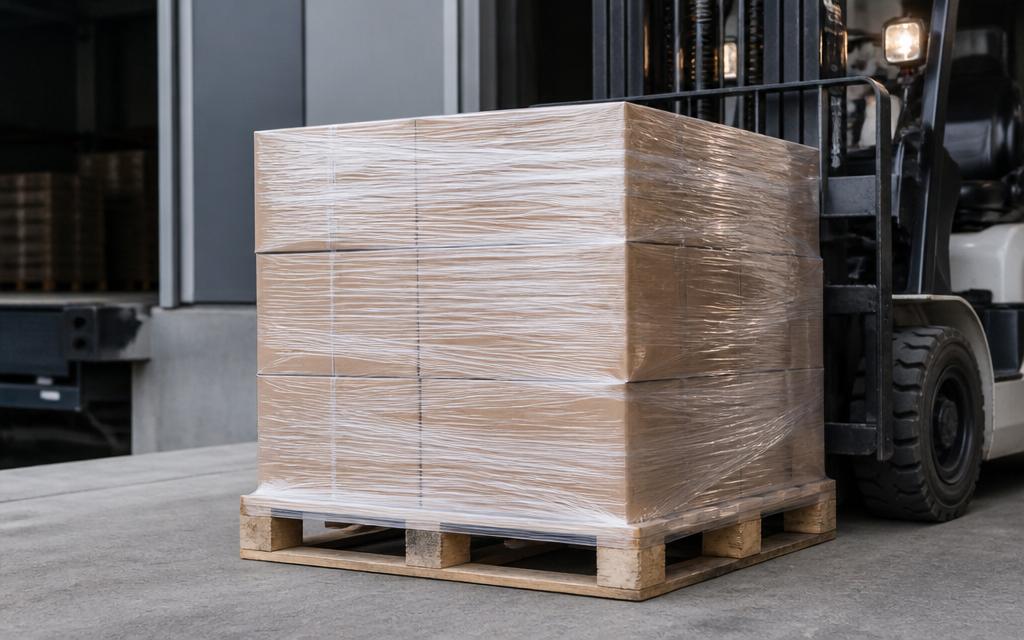
How to calculate NMFC freight class for palletized cargo
Density, stowability, handling, and liability — understand the four factors that determine your LTL rate.
Read article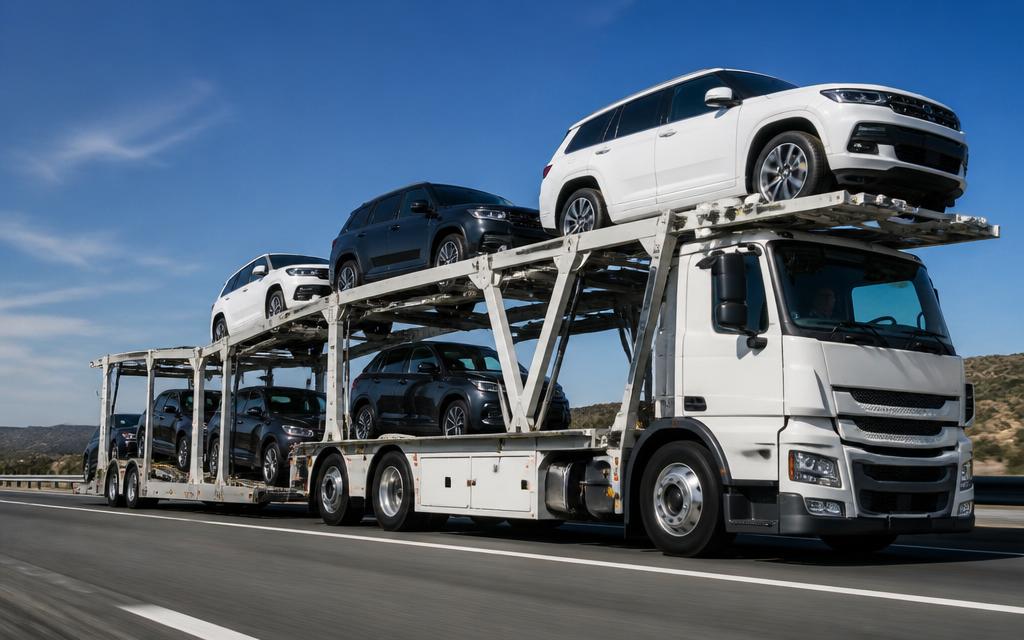
Open vs. enclosed auto transport: what protects your vehicle
When to choose enclosed carriers for luxury, exotic, or classic vehicles — and when open carriers are the right fit.
Read article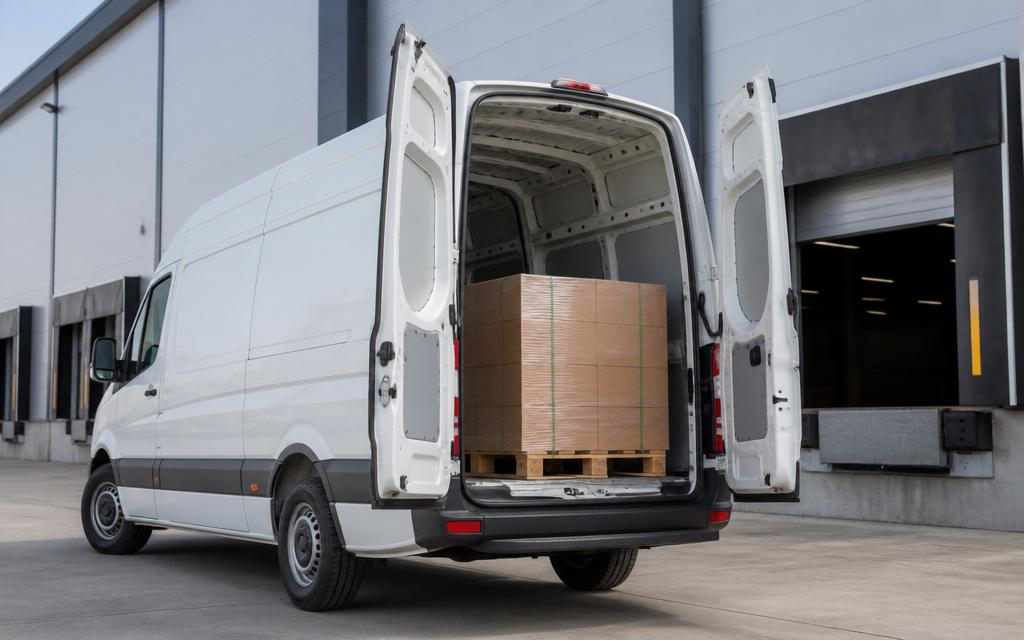
Sprinter vs. box truck vs. straight truck: capacity limits
Match hotshot equipment to pallet count, weight, and dock constraints for time-critical freight.
Read article
Reducing spot-market volatility with locked-in rates
How to cut deadhead exposure and lock carrier pricing across recurring lanes.
Read article
What FMCSA authority and cargo insurance mean for your shipment
The difference between a licensed broker, a bonded carrier, and the coverage that actually protects your load.
Read articleReady to ship with confidence?
Pick your modality below and go from quote to dispatch in one flow.